
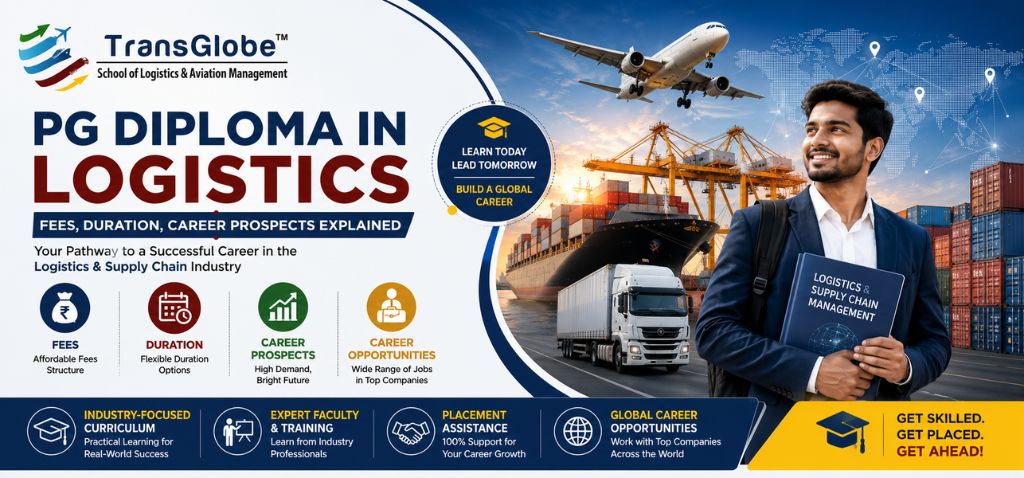
Have you ever wondered how an online order reaches your doorstep within just a few days? Behind every successful delivery, there is a network of warehouses, transportation systems, inventory planning, and supply chain activities working together. From managing stock availability to coordinating shipments, the logistics industry plays an important role in keeping businesses connected.
With the rapid growth of e-commerce, manufacturing, and global trade, companies are looking for professionals who understand modern logistics operations and supply chain processes. Transglobe Academy provides structured learning programs that introduce learners to industry practices, logistics systems, and essential skills needed for professional growth in this sector.
Students planning to move into advanced roles can explore a Post Graduate Diploma in Logistics & Supply Chain Management to gain deeper knowledge of transportation, warehousing, procurement, and supply chain operations. This qualification helps learners understand how logistics functions work in real business environments and prepares them for opportunities in a growing industry.
Understanding the course duration, fees, subjects, and career prospects can help students decide whether a PG Diploma in Logistics is the right choice for their future goals.
Key Takeaways
- A PG Diploma in Logistics enables students to acquire the knowledge of transportation, warehousing, procurement, and supply chain operations.
- The duration of the course and fees may differ from institute to institute and course to course, and also depending on the training structure.
- Careers in logistics are available in a variety of industries, including ecommerce, manufacturing, retail, and international trade.
- Students can explore different job roles after gaining industry knowledge and relevant skills.
- Selecting the right program can prepare students for evolving demand in the logistics field.
What is a PG Diploma in Logistics?
The PG Diploma in Logistics is a professional course that enables students to gain insight into the entire logistics and supply chain operations. Students will learn key areas in the supply chain, including supply chain planning, transportation, inventory management, procurement, and warehouse operations.
Modern businesses rely on efficient logistics systems to deliver products on time and maintain smooth operations. This has created a demand for professionals that have an understanding of how the various activities of the supply chain are linked.
The students in this program typically take classes in:
- Supply Chain Planning and Co-ordination
- Transportation management
- Warehouse operations and inventory systems
- Procurement and supplier management
- International logistics processes
- Distribution and customer service operations
A diploma in logistics management introduces students to the fundamentals of logistics and prepares them for entry-level roles in the industry. A PG-level program generally provides deeper exposure to supply chain strategies, business operations, and management concepts.
Many learners begin with a diploma in logistics management before progressing to postgraduate studies as they gain experience and career clarity. This learning path helps students build stronger industry knowledge while preparing for more advanced responsibilities in logistics and supply chain operations.
Why Choose a PG Diploma in Logistics After Graduation?
Logistics is no longer just about transporting products from one place to another. In the current business landscape, companies in fields such as retail, manufacturing, healthcare, aviation and e-commerce, need individuals who can handle complex activities within the supply chain.
Students enroll in logistics programs due to the opportunities to gain industry-specific knowledge and pursue careers in a thriving industry.
Students might choose this field for a variety of reasons such as:
- Growing demand for logistics professionals across different industries
- Domestic and international opportunities for working in supply chain operations.
- Multiple career experiences including planning, procurement and warehouse management.
- Practice in business skills, operation and coordination
- Scope for career growth with experience and additional learning
Learners with an interest in logistics management often opt for post-graduate courses to gain an insight into more complex roles within the supply chain and further develop their skills.
The logistics industry is evolving with the technology, automation and the betterment of the business system. Professionals with updated knowledge can explore wider career opportunities as companies continue improving their supply chain networks.
PG Diploma in Logistics Course Duration
The time period for a PG Diploma in Logistics will differ from institute to institute, course to course and learning to learning. Most programs are designed to provide a balance between theoretical knowledge and industry-focused training.
Typically, duration could be anything from a few months to one year. Some programs may also include practical training, industry projects, or internship opportunities to help students understand real workplace situations.
The length of time required for the course may vary, depending upon:
- Number of subjects included in the curriculum
- Practical training modules
- Industry exposure activities
- Learning format, such as classroom or blended programs
Students should read through the course structure before selecting a course. A well-planned curriculum helps learners gain knowledge of supply chain operations while developing skills needed for professional roles in logistics.
PG Diploma in Logistics Course Fees
The fees for a PG Diploma in Logistics may vary depending on the institute, the course duration, the course curriculum, training facilities and other additional learning opportunities that are a part of the program. Students should compare the different programs based on the value of the education, industry exposure and career support offered.
Things that can influence the course fees are:
- Number of learning modules and course duration
- Faculty Experience and Training Techniques
- Practical sessions and industry relevant projects
- Certification worth
- Career assistance and placement support
Many students research the fees before picking a program. This helps them better plan their education path. Apart from cost, learners should consider the quality of the training, the subjects covered and the opportunities to learn about the industry.
A program including key topics like supply chain management, warehousing, transportation, and purchasing can give students the skills needed for various logistics careers.
Subjects Covered in PG Diploma in Logistics
The PG Diploma in Logistics has a comprehensive curriculum that exposes the students to various aspects of the supply chain, from the procurement of raw materials to the delivery of goods. The curriculum is meant to impart knowledge about the various departments involved in logistics and business operations.
| Subject Area | Topics Covered |
| Supply Chain Management | Planning, coordination, sourcing, and distribution |
| Warehouse Management | Inventory control, storage systems, and warehouse processes |
| Transportation Management | Freight movement, route planning, and delivery operations |
| Procurement Management | Supplier coordination and purchasing processes |
| International Logistics | Export, import, and global supply chain activities |
| Business Operations | Communication, coordination, and management skills |
Students who want to specialize can also choose additional learning programs in warehousing, analytics, and transportation. These skills help learners understand how logistics teams manage daily operations in different industries.
Career Opportunities After PG Diploma in Logistics
The logistics industry offers career options across sectors such as manufacturing, retail, e-commerce, shipping, healthcare, and aviation. Organizations require professionals who can manage supply chain activities, coordinate operations, and improve delivery processes.
After completing a PG Diploma in Logistics, students can explore roles such as:
- Logistics Executive
- Supply Chain Coordinator
- Warehouse Supervisor
- Inventory Executive
- Procurement Assistant
- Transportation Coordinator
- Operations Executive
The growing demand for skilled professionals has increased Jobs After PG Diploma in Logistics across various industries. Fresh graduates can begin with entry-level positions and progress into higher responsibilities with experience and additional skills.
Career growth depends on factors such as industry knowledge, communication abilities, problem-solving skills, and understanding of modern supply chain systems.
Logistics Career Scope in India
The logistics sector in India has experienced significant growth due to increasing online shopping, expanding manufacturing activities, and rising demand for faster delivery networks. Companies are investing in better supply chain systems, creating opportunities for trained professionals.
A Logistics Career in India offers options across different areas, including:
- E-commerce logistics
- Warehouse operations
- Transportation management
- Supply chain planning
- Import and export activities
- Retail distribution
The growth of industries such as online retail and global trade has increased the requirement for professionals who understand logistics processes and business operations.
Students completing a postgraduate logistics program can explore career paths based on their interests. Some may prefer operational roles, while others may move toward planning, coordination, or management positions over time.
The future of logistics continues to develop with technology, automation, and improved supply chain systems. This creates opportunities for professionals who continue learning and adapting to industry changes.
Skills Required for a Successful Logistics Career
A successful career in logistics requires a combination of industry knowledge, communication abilities, and coordination skills. Professionals working in supply chain roles often manage multiple activities, including transportation planning, inventory tracking, supplier coordination, and customer requirements.
Some important skills for logistics professionals include:
- Communication skills for coordinating with teams, suppliers, and customers
- Planning abilities to manage daily operations efficiently
- Knowledge of inventory and warehouse systems
- Problem-solving skills for handling operational challenges
- Understanding of supply chain processes and business functions
- Team coordination skills for working with different departments
Developing these skills along with academic knowledge can help students prepare for various roles in the logistics sector. Many learners also choose additional certifications and training programs to expand their career options.
Why Placement Support is Important in Logistics Education
Starting a career after completing a course becomes easier when students receive guidance about industry expectations, interview preparation, and job opportunities. Placement support helps learners understand the hiring process and connect their skills with suitable career roles.
Students exploring a Logistics Course with Placement often look for programs that provide career guidance along with industry-focused education.
Placement support may include:
- Resume building assistance
- Interview preparation sessions
- Career guidance
- Industry interaction opportunities
- Support in understanding job requirements
Transglobe Academy helps students gain knowledge of logistics operations while preparing them for professional opportunities in the supply chain sector.
Other Career-Focused Learning Options
Students have different career goals so that they can explore various programs based on their interests and educational background. Along with PG Diploma programs, learners can consider other courses that support career development in related fields.
Some options include:
- Logistics management courses for students interested in transportation, warehousing, and supply chain operations.
- Specialized certifications in supply chain analytics and inventory management.
- Advanced logistics programs for learners planning leadership roles.
- Aviation-related programs for students interested in customer service and airline operations.
Students interested in aviation hospitality careers may also explore a Flight attendant course, while those focused on warehousing, procurement, transportation, and business operations can continue strengthening their knowledge through a diploma in logistics management. Comparing different learning options helps learners choose a program that aligns with their career goals and long-term interests.
Ready to Build Your Future in Logistics and Supply Chain?
Start your professional journey with Transglobe Academy and gain knowledge of logistics operations, supply chain systems, and industry practices. Develop the skills needed to explore growing opportunities across transportation, warehousing, and supply chain management.
Conclusion
The logistics industry is growing rapidly with increasing demand for professionals who understand supply chain operations, transportation systems, and warehouse management. A PG Diploma in Logistics can help students build industry knowledge and prepare for roles across different sectors.
Understanding the course structure, fees, duration, and career options allows learners to make better decisions about their education. A Post Graduate Diploma in Logistics & Supply Chain Management can provide valuable exposure to modern logistics practices and help students develop skills needed for professional growth.
Transglobe Academy supports learners through structured programs designed to introduce them to logistics operations and supply chain concepts. Choosing the right course and developing relevant skills can help students move toward rewarding career opportunities in the expanding logistics industry.
Frequently Asked Quesstions :
Q1. What is the duration of a PG Diploma in Logistics?
The duration of a PG Diploma in Logistics depends on the institute and course structure. Many programs are completed within several months to one year and may include classroom learning, practical sessions, and industry-focused training.
Q2. What is the eligibility for a PG Diploma in Logistics?
Most PG Diploma logistics programs are designed for graduates from different educational backgrounds. Eligibility requirements may vary depending on the institute and program structure.
Q3. What jobs can I get after completing a PG Diploma in Logistics?
Students can explore roles such as logistics executive, supply chain coordinator, warehouse supervisor, procurement assistant, inventory executive, and operations executive across multiple industries.
Q4. Is logistics a good career option in India?
Yes, logistics is a growing career field in India due to the expansion of e-commerce, manufacturing, retail, and global trade. Skilled professionals are needed to manage supply chain operations across various sectors.
Q5. Can I pursue logistics courses after graduation?
Yes, graduates from different fields can pursue logistics programs to develop industry knowledge and build careers in supply chain management, transportation, warehousing, and related areas.