
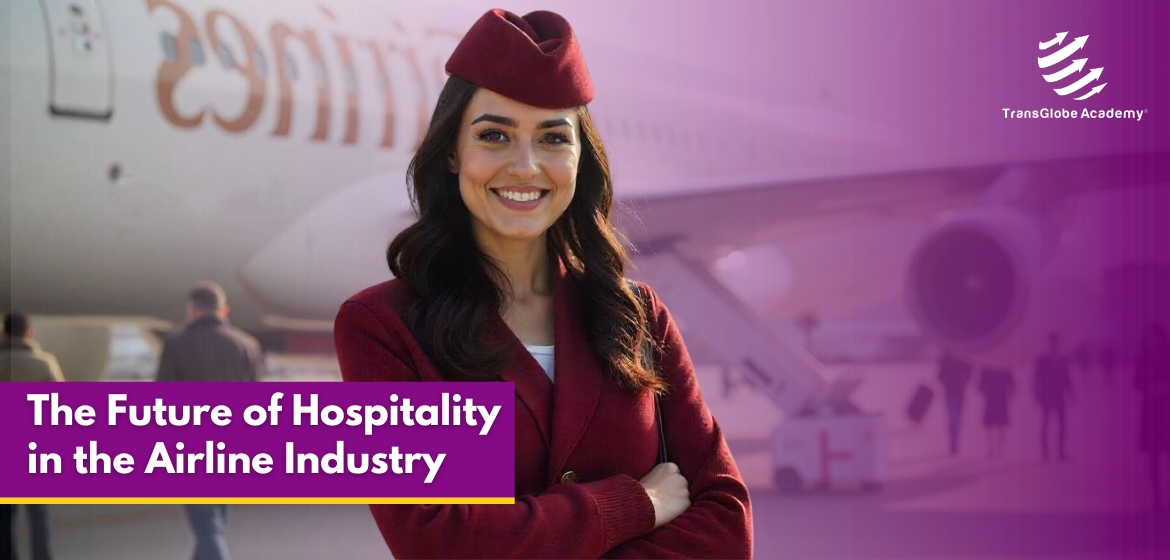
Have you ever wondered how flying will feel over the next few years? The airline industry is evolving rapidly and so are the expectations of passengers. Today’s travellers are seeking faster travel, more customised service, increased comfort, and seamless digital experiences during the entire trip. These changes are also impacting the way in which an Air hostess Course is preparing students for aviation jobs.
Aviation students are becoming more interested in blending customer service, communication, and hospitality careers. Transglobe Academy helps learners understand airline operations, passenger service standards, and the evolving expectations of the aviation industry through structured training programs.
Key Takeaways
- Airline hospitality is evolving through technology, digital services, and higher passenger expectations.
- Cabin crew responsibilities now extend beyond traditional customer service to include technology-assisted passenger support.
- Future industry trends will be developed to ensure that students are well equipped to meet evolving airline recruitment needs.
- Communication, adaptability, and service excellence continue to play an important role alongside digital knowledge.
- Students who stay updated with industry developments can prepare for long-term careers in aviation.
Why Is Airline Hospitality Changing So Quickly?
The airline industry has undergone a major transformation over the last several years. Airline companies are making smart investments in smarter systems to deliver world-class customer experience and enhance efficiency. Travelers now expect quicker check-ins, personalized services, smoother boarding, and real-time travel updates.
Technology is making many airport and airline processes faster, but human interaction remains equally important. Cabin crew members continue to play a major role in ensuring passenger comfort, handling onboard situations, and delivering professional service throughout the journey.
Students planning a career in aviation benefit from understanding the industry developments so that they can develop the relevant skills that are expected by the airlines today.
7 Key Trends Shaping Airline Hospitality in 2026
- AI Is Making Passenger Service Faster
AI is giving airlines a competitive edge and is ubiquitous in daily operations. Many airlines now use AI-powered customer service to answer passenger questions, provide travel updates, and assist with bookings before travelers even arrive at the airport.
While technology handles routine requests, cabin crew members continue to focus on creating positive passenger experiences that require empathy, communication, and personal attention.
- Personalized Passenger Experiences
These days, passengers are expecting airlines to know their preferences as they travel. Personalised services such as meal deals, recommending movies to you, and even seating arrangements are all being offered by airlines as they make better use of customer information to enhance all aspects of travel.
This change enables airline employees to offer a more personalized experience, which helps enhance the customer experience throughout the entire process.
- Cabin Crew Roles Continue to Expand
Cabin crew professionals’ duties are not limited to providing meals during flights. Modern airlines require their staff to handle passenger safety requirements, address service issues, assist digital systems, and professionally present the airline’s brand to the public.
Students taking a cabin crew course are exposed to communication skills, dealing with passengers, emergency procedures, teamworking, and service that prepares them to take on these growing duties.
- Technology Is Enhancing Inflight Experiences
Such features include entertainment systems, digital ordering platforms, contactless payments and smart cabin features, all of which are becoming more prevalent on commercial flights. These developments are enhancing convenience to users and making the provision of airline services more efficient.
Airport passengers will be greeted by some of the technology already available on board, including:
- Wireless inflight entertainment via personal devices.
- Digital food and beverage ordering.
- Contactless payment systems
- Real-time flight information is displayed through mobile applications
These developments reflect the future of inflight services, where technology supports both passengers and airline staff while creating a smoother travel experience.
- Sustainability Is Becoming Part of Airline Hospitality
Environmental responsibility is becoming an important focus across the aviation industry. Airlines are adopting sustainable practices to enhance their operations and minimize waste and resource consumption. The passengers too are becoming conscious of the environment friendly travel, providing a push to airlines to make positive changes.
Some initiatives include:
- Onboard single-use plastics reduction
- Paperless and digital boarding passes
- Introducing eco-friendly meal packaging
- Using more efficient flight routing to save fuel costs
- Improving food inventory management to reduce waste.
Cabin crews have seen a rise in their participation with these sustainability initiatives as they go along and provide excellent service to their passengers.
- Smarter Technology Is Improving Customer Experiences
Airlines are merging technological and hospitality advances to help make every part of the flight easier. Digital systems are improving passengers’ travel experience, from booking a ticket to collecting their bags after landing.
Airlines have many questions about using AI for customer experience. Intelligent systems are now being adopted by airlines to improve passenger check-in, customer support, language support, tracking of bags and faster travel updates. These technologies enable people to reduce waiting times and airline employees to devote more time to passengers requiring individual support.
Instead of replacing cabin crew, technology enables them to concentrate on developing more meaningful relationships with customers and provide improved in-flight service.
- Soft Skills Will Continue to Define Great Cabin Crew
Technology can make things more efficient, but people are still key to excellent hospitality. When there is an unplanned event, the traveler remembers how he was treated.
Airline professionals who succeed continue their careers by developing a strong interpersonal set of skills, including empathy, patience, communication, teamwork and professionalism. All these attributes will assist cabin crew to build an environment that is welcoming to the passengers of various cultures and backgrounds.
How Is Cabin Crew Training Evolving in 2026?
Airline training is changing alongside the industry. Today’s programs educate students for the more traditional roles within the hospitality industry and for technology-driven airline operations.
In 2026, it will be interesting to see how the training of cabin crew has developed. Today’s learning initiatives have expanded to include digital communication, passenger experience management, safety, cultural awareness and technology used across the airline’s operations. Students also gain exposure to situations that reflect the changing expectations of modern airlines.
Transglobe Academy introduces learners to industry-focused training that combines customer service, aviation operations, communication skills, and professional development to help them prepare for evolving airline careers.
Skills Airlines Will Value the Most
The aviation industry is seeking employees who will be able to adjust to evolving passenger expectations while keeping the service level high.
Most useful skills are:
- Excellent communication skills
- Customer service excellence
- Team collaboration
- Problem-solving ability
- Professional grooming
- Digital awareness
- Cultural sensitivity
- Confidence under pressure
These skills remain relevant to airline recruitment because they contribute to the cabin crew’s role in providing safe, efficient, and memorable travel experiences.
Which Aviation Course Should Students Choose?
When selecting a learning program, the learner’s career objectives and educational level are to be taken into consideration. If students want to come into the airline hospitality field, they may consider studying various certification and diploma programs before deciding.
Some students select a diploma in aviation hospitality to gain a more general knowledge of passenger service, airport operations and airline communication. Others may prefer specialized programs that focus specifically on cabin crew careers and customer service excellence.
Selecting a course with practical learning, experienced trainers, and industry-focused modules can help students build the knowledge and confidence expected by today’s airlines.
Who Can Start an Aviation Career After 12th?
Aviation welcomes students from different educational backgrounds who have strong communication skills, a professional attitude, and an interest in customer service.
Many learners begin exploring air hostess courses after 12th because these programs introduce them to airline hospitality, grooming standards, passenger handling, safety procedures, and airport operations. Students from Arts, Commerce, and Science streams can explore different learning pathways depending on institute eligibility and career goals.
Understanding the industry’s changing expectations early allows students to prepare for airline recruitment with greater confidence and develop skills that remain valuable throughout their careers.
Learning Options for Future Airline Professionals
Every student enters the aviation industry with different career goals. Some want to work as cabin crew, others are interested in airport operations, hospitality or airline management. Exploring different learning options can help students choose a program that aligns with their interests and long-term career plans.
Students can consider:
- Cabin Crew Training in India to build industry-specific hospitality and passenger service skills.
- Customer service and airline specialization certificate courses.
- Courses in Airport Operations and Aviation Management.
- Aviation certification and Hospitality programs.
- Advanced diploma programs for students planning long-term careers in the aviation industry.
Students can make a well-informed decision before starting their aviation journey by comparing the course content, practical training opportunities, and industry exposure.
Ready to Build a Career in the Future of Airline Hospitality?
Prepare for tomorrow’s aviation industry with Transglobe Academy and develop the communication, hospitality, and operational skills airlines value. Start building the confidence and industry knowledge needed for exciting opportunities in modern aviation.
Conclusion
Airline hospitality is evolving through technology, changing passenger expectations, and smarter service experiences. While digital tools continue to improve efficiency, the importance of skilled and professional cabin crew remains stronger than ever. Students who understand these industry developments can prepare themselves for exciting opportunities in the years ahead.
Choosing the right Air Hostess Course is an important step toward building industry knowledge and developing the customer service, communication, and hospitality skills expected by today’s airlines. Transglobe Academy supports aspiring aviation professionals through structured training programs designed to help learners prepare for careers across the airline industry.
Ready to take the first step toward an exciting aviation career? Explore industry-focused learning opportunities and build the skills that can help you succeed in the future of airline hospitality.
FAQs
Q1. What are the biggest airline hospitality trends in 2026?
AI, customized passenger experiences, digital cabins, sustainable flying, and customer service are among the biggest trends.
Q2. Is cabin crew still a good career choice in the future?
Yes. Airlines are still hiring personnel that will provide good customer service, ensure the safety of passengers and be flexible with new technologies in the airline industry.
Q3. Can I join cabin crew training after completing 12th?
Yes. Depending upon the eligibility criteria of the institute, students from any background Arts, Commerce and Science stream can apply for aviation and cabin crew training courses.
Q4. What are the skills that airlines are looking for in their cabin crew candidates?
Airlines seek candidates with excellent communication and customer service skills, teamwork, professionalism, confidence, adaptability, and the ability to manage passengers in varying circumstances.
Q5. What are the effects of technology on airline hospitality?
Technology is helping airlines improve booking services, passenger communication, inflight experiences, baggage tracking, and operational efficiency while allowing cabin crew to focus more on delivering personalized hospitality and customer care.